Plantar Fasciitis Treatment in Vaughan: Walking Without Heel Pain
Plantar Fasciitis Treatment in Vaughan: Walking Without Heel Pain
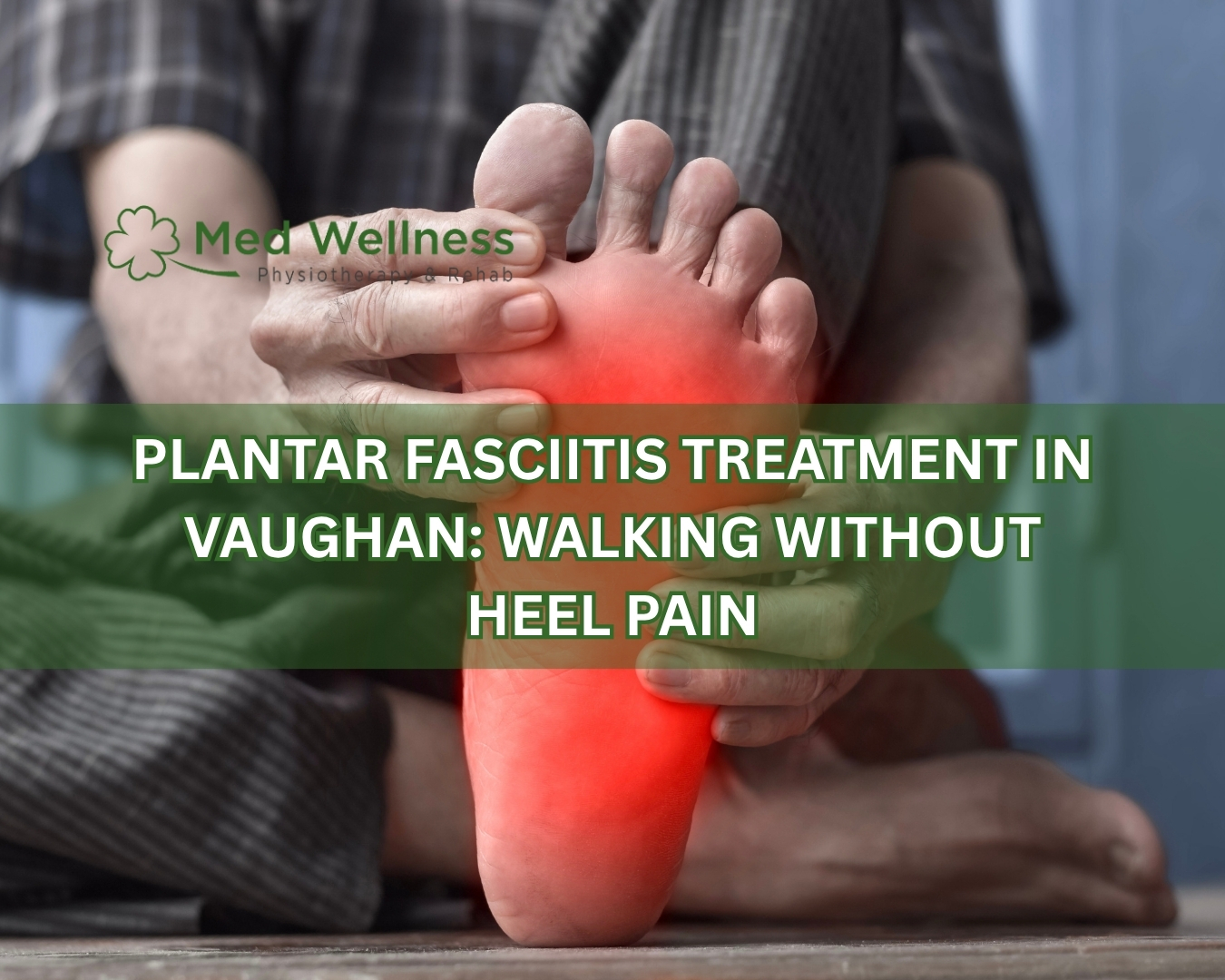
Heel pain can make simple daily activities extremely uncomfortable. Many people in Vaughan and Woodbridge experience sharp pain in the bottom of the heel, especially during the first steps in the morning or after long periods of sitting.
One of the most common causes of chronic heel pain is plantar fasciitis, a condition affecting the thick band of tissue supporting the arch of the foot.
Without proper treatment, plantar fasciitis may gradually affect:
Many people continue pushing through heel pain, hoping it will improve on its own. Unfortunately, untreated plantar fasciitis may become chronic and more difficult to manage over time.
Fortunately, many cases improve successfully through non-surgical rehabilitation including physiotherapy, stretching exercises, shockwave therapy, mobility rehabilitation, and supportive movement correction.
At Med Wellness Physiotherapy and Rehab Centre in Vaughan, personalized rehabilitation programs help patients reduce heel pain, improve mobility, and support long-term foot health naturally.
Several factors may contribute to plantar fascia irritation.
Common causes include:
Prolonged standing
Running or sports activity
Poor footwear
Tight calf muscles
Flat feet
High arches
Excessive walking
Poor foot mechanics
Research suggests repetitive stress and overload commonly contribute to plantar fascia degeneration and inflammation.
Risk Factors for Heel Pain
Certain individuals are more vulnerable to plantar fasciitis.
Risk factors include:
Jobs requiring prolonged standing
Running and athletic activity
Poor supportive footwear
Tight calf muscles
Obesity
Sudden increase in physical activity
Workers standing for long hours often experience increased stress on the plantar fascia.
Why Early Treatment Matters
Ignoring heel pain may lead to:
Chronic inflammation
Reduced mobility
Altered walking patterns
Knee and hip strain
Ongoing pain during activity
Early rehabilitation often improves recovery outcomes and helps prevent chronic pain progression.
How Physiotherapy Helps Plantar Fasciitis
Physiotherapy is one of the most effective non-surgical treatments for plantar fasciitis.
Treatment focuses on:
Reducing pain
Improving foot mobility
Improving flexibility
Correcting movement mechanics
Reducing strain on the plantar fascia
A physiotherapist evaluates:
Walking mechanics
Foot posture
Calf flexibility
Lower limb mobility
Muscle tightness
A personalized rehabilitation plan is then developed according to the patient’s symptoms and activity level.
Stretching Exercises for Heel Pain Relief
Improve flexibility
Reduce tension
Improve circulation
Reduce stress on the plantar fascia
Important areas often include:
Calf muscles
Achilles tendon
Foot arch
Hamstrings
Research supports stretching as an important part of plantar fasciitis rehabilitation.
Calf Stretch Exercise
Tight calf muscles often increase stress on the plantar fascia.
How to Perform:
Stand facing a wall
Place one foot behind the other
Keep the back heel on the floor
Lean forward gently
Hold for 20–30 seconds
Benefits may include:
Improved calf flexibility
Reduced heel tension
Improved ankle mobility
Plantar Fascia Stretch
This stretch directly targets the plantar fascia tissue.
How to Perform:
Sit comfortably
Cross one foot over the opposite knee
Pull the toes gently backward
This stretch may help:
Improve flexibility
Reduce foot tightness
Improve movement comfort
Rolling Massage Exercise
Rolling the foot over a ball or frozen bottle may help reduce tissue tightness.
How to Perform:
Place a small ball or frozen water bottle under the foot
Roll slowly back and forth
Apply gentle pressure
Benefits may include:
Improved circulation
Reduced muscle tension
Temporary pain relief
Strengthening Exercises for Foot Support
Weak supporting muscles may increase stress on the plantar fascia.
Strengthening exercises may help:
Improve arch support
Improve foot stability
Improve walking mechanics
Reduce repetitive strain
Physiotherapy programs may include:
Toe strengthening
Balance exercises
Calf strengthening
Lower limb stabilization
Improving lower-body mechanics often helps reduce recurring heel pain.
Shockwave Therapy for Chronic Heel Pain
Improve circulation
Reduce chronic inflammation
Improve tissue recovery
Research suggests shockwave therapy may improve pain and mobility in chronic plantar fasciitis cases.
This non-invasive treatment is often combined with physiotherapy rehabilitation for better long-term outcomes.
Proper Footwear and Arch Support
Footwear plays a major role in plantar fasciitis recovery.
Supportive shoes may help:
Reduce heel stress
Improve foot alignment
Improve shock absorption
Helpful footwear strategies include:
Avoiding worn-out shoes
Using supportive insoles
Wearing cushioned footwear
Avoiding barefoot walking on hard surfaces
Improper footwear may worsen heel pain symptoms over time.
Walking and Activity Modification
Complete inactivity is usually not recommended.
However, temporary activity modification may help reduce stress on the plantar fascia during recovery.
Helpful strategies may include:
Reducing excessive walking temporarily
Avoiding high-impact activity
Gradually returning to exercise
Taking recovery breaks
Controlled movement often supports better long-term healing.
Massage Therapy for Foot and Calf Tightness
Massage therapy may help reduce:
Calf tightness
Foot stiffness
Muscle tension
Stress-related muscular strain
Benefits may include:
Improved circulation
Improved flexibility
Reduced muscular tension
Improved recovery comfort
Massage therapy is commonly integrated into rehabilitation programs for chronic foot pain.
Lifestyle Habits That Support Recovery
Healthy movement habits improve rehabilitation outcomes.
Helpful strategies include:
Stretching daily
Wearing supportive footwear
Maintaining healthy body weight
Staying physically active safely
Following rehabilitation exercises consistently
Consistency is important because plantar fasciitis recovery often happens gradually.
Signs You Should Seek Professional Treatment
You should seek physiotherapy if you experience:
Persistent heel pain
Morning foot stiffness
Difficulty walking
Pain affecting work or exercise
Chronic foot tightness
Pain lasting several weeks
Early treatment often improves recovery outcomes and helps prevent chronic heel pain.
Plantar Fasciitis Treatment Clinics in Vaughan and Woodbridge
Several clinics in Vaughan and Woodbridge provide physiotherapy and rehabilitation services for plantar fasciitis treatment, including:
Med Wellness Physiotherapy and Rehab Centre in Vaughan | Massage therapy in Vaughan | shockwave therapy
Physiotherapy @ Woodbridge
My Physio Sports & Rehab Centre
Sporting Edge Physiotherapy
Complete Care Physiotherapy Centre | Best Physiotherapy | Best Chiropractic Clinic | Massage Therapy Clinic | Vaughan
These clinics provide physiotherapy, shockwave therapy, chronic pain rehabilitation, sports injury treatment, and mobility rehabilitation throughout Vaughan and Woodbridge.
Why Choose Med Wellness Physiotherapy and Rehab Centre?
Plantar fasciitis can significantly affect walking, standing, exercise, and overall quality of life. Without proper treatment, chronic heel pain may gradually worsen and limit physical activity.
If you are searching for plantar fasciitis treatment in Vaughan or Woodbridge, personalized rehabilitation and professional physiotherapy may help improve comfort, walking ability, and long-term foot health safely.