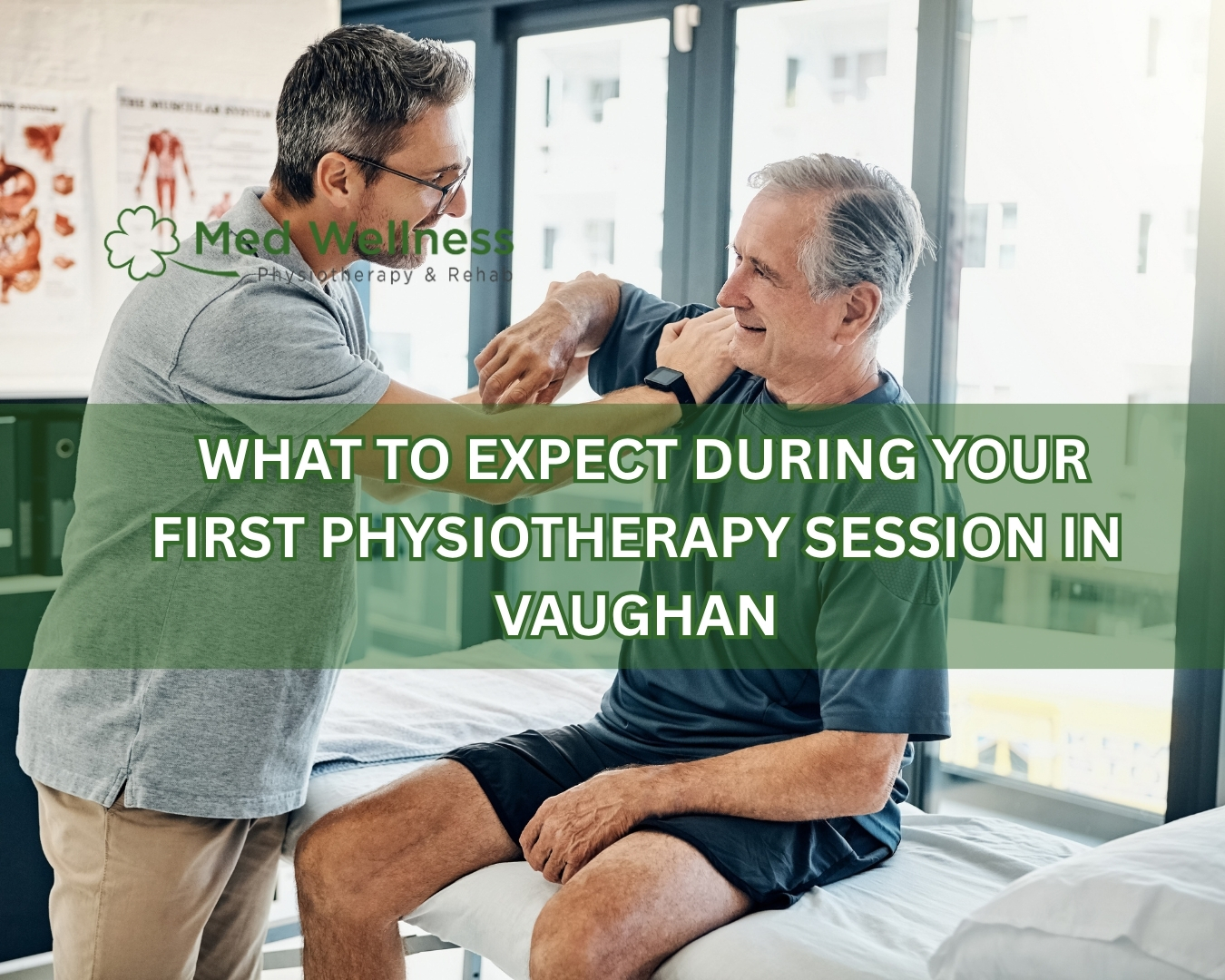
What to Expect During Your First Physiotherapy Session in Vaughan

What to Expect During Your First Physiotherapy Session in Vaughan

What to Expect During Your First Physiotherapy Session in Vaughan

Starting physiotherapy for the first time can feel unfamiliar for many people. Whether you are dealing with chronic pain, a sports injury, workplace strain, postural problems, or recovering after an accident, it is normal to have questions about what happens during the first appointment.

Many patients in Vaughan and Woodbridge delay treatment simply because they are unsure what to expect during physiotherapy. Understanding the process can help reduce anxiety and make the experience more comfortable and productive.

A first physiotherapy session is designed to evaluate your condition, understand the cause of pain or movement problems, and create a personalized rehabilitation plan tailored to your goals.

At Med Wellness Physiotherapy and Rehab Centre in Vaughan, physiotherapy sessions focus on improving mobility, reducing pain, restoring movement, and supporting long-term recovery naturally.


Why Physiotherapy Is Important

Physiotherapy focuses on helping people improve movement, mobility, strength, and physical function without relying solely on medication or surgery.

Physiotherapy may help with:

The goal is not only temporary pain relief but also long-term recovery and improved physical health.


Preparing for Your First Physiotherapy Appointment

Patients often wonder how to prepare before arriving at the clinic.

Helpful preparation tips include:

  • Wearing comfortable clothing
  • Bringing medical reports or imaging if available
  • Listing current symptoms
  • Noting activities that increase pain
  • Bringing insurance information if needed

Comfortable clothing is important because the physiotherapist may need to evaluate movement patterns and joint mobility.


The Initial Consultation

Your first session usually begins with a detailed discussion about your condition and medical history.

The physiotherapist may ask questions such as:

  • Where is the pain located?
  • When did symptoms begin?
  • What activities worsen the pain?
  • Have you had previous injuries?
  • What are your recovery goals?
  • What type of work or physical activity do you do?

This information helps the therapist better understand the underlying problem and how it affects daily life.


Physical Assessment and Movement Evaluation

After the consultation, the physiotherapist performs a physical assessment.

The assessment may include:

  • Posture evaluation
  • Joint mobility testing
  • Range of motion assessment
  • Muscle strength testing
  • Walking analysis
  • Flexibility evaluation
  • Balance testing

The therapist may also observe how you move during activities such as:

  • Walking
  • Sitting
  • Bending
  • Reaching
  • Standing

These tests help identify movement limitations, muscle imbalances, and areas contributing to pain or dysfunction.


Pain and Symptom Assessment

Understanding pain patterns is an important part of physiotherapy evaluation.

The physiotherapist may assess:

  • Pain intensity
  • Pain location
  • Nerve symptoms
  • Muscle tightness
  • Swelling or inflammation
  • Functional limitations

This helps determine the severity of the condition and guides treatment planning.


Understanding the Root Cause of the Problem

One of the biggest benefits of physiotherapy is that treatment focuses on the root cause of pain rather than only masking symptoms temporarily.

For example:

  • Lower back pain may be related to weak core muscles
  • Neck pain may result from poor posture
  • Knee pain may involve hip weakness or walking mechanics

The physiotherapist evaluates the entire movement system to identify contributing factors affecting recovery.


Creating a Personalized Treatment Plan

After the assessment, the physiotherapist creates a customized rehabilitation plan.

The treatment plan may include:

  • Physiotherapy exercises
  • Stretching programs
  • Strengthening exercises
  • Posture correction
  • Manual therapy
  • Mobility training
  • Balance exercises
  • Pain management strategies

The plan is adjusted according to:

  • Pain levels
  • Mobility limitations
  • Activity goals
  • Recovery progress

Personalized rehabilitation often improves long-term results.


First Treatment Session

In many cases, some treatment begins during the first appointment.

Treatment may include:

  • Gentle stretching
  • Mobility exercises
  • Manual therapy
  • Soft tissue treatment
  • Pain management techniques
  • Postural correction guidance

The goal is usually to begin improving movement while reducing discomfort safely.


Physiotherapy Exercises

Exercise therapy is one of the most important parts of physiotherapy rehabilitation.

Exercises may help:

  • Improve strength
  • Improve flexibility
  • Improve balance
  • Improve posture
  • Restore mobility
  • Reduce pain naturally

Patients are often given home exercises to continue progress between sessions.

Consistency is important for successful recovery.


Manual Therapy and Hands-On Treatment

Manual therapy involves hands-on techniques used to improve movement and reduce stiffness.

Benefits may include:

  • Improved mobility
  • Reduced muscle tension
  • Improved circulation
  • Better flexibility

Manual treatment is often combined with exercise therapy for better rehabilitation outcomes.


Posture and Ergonomic Education

Poor posture and repetitive movement patterns contribute to many common pain conditions.

Physiotherapists may provide guidance on:

  • Sitting posture
  • Workplace ergonomics
  • Lifting techniques
  • Movement habits
  • Stretching routines

Small adjustments in daily habits may significantly reduce physical strain over time.


Spinal Therapy and Rehabilitation

For patients experiencing neck or back pain, spinal therapy may be included in the rehabilitation plan.

Spinal therapy may help:

  • Improve spinal mobility
  • Reduce stiffness
  • Improve posture
  • Reduce muscle tension

Treatment is adjusted based on the patient’s symptoms and physical condition.


Massage Therapy and Recovery Support

Some rehabilitation programs also include massage therapy.

Massage therapy may help:

  • Reduce muscle tightness
  • Improve circulation
  • Improve relaxation
  • Support recovery

Many patients combine massage therapy with physiotherapy for more comprehensive treatment.


Shockwave Therapy for Chronic Pain

Patients dealing with chronic tendon or soft tissue pain may benefit from shockwave therapy.

Shockwave therapy uses acoustic waves to:

  • Stimulate healing
  • Improve circulation
  • Reduce chronic inflammation
  • Improve tissue mobility

The physiotherapist determines whether advanced therapies are appropriate based on the condition.


How Long Does Physiotherapy Take?

Recovery time depends on:

  • Injury severity
  • Pain duration
  • Mobility limitations
  • Activity level
  • Consistency with exercises

Some patients notice improvement within a few sessions, while chronic conditions may require longer rehabilitation programs.

Consistency with treatment and home exercises often improves recovery speed.


Questions You Should Ask During Your First Session

Patients should feel comfortable asking questions such as:

  • What is causing my pain?
  • How long may recovery take?
  • What exercises should I do at home?
  • What activities should I avoid?
  • How often should I attend therapy?

Understanding the rehabilitation process helps patients participate more confidently in recovery.


Why Choose Med Wellness Physiotherapy and Rehab Centre?

Patients throughout Vaughan and Woodbridge trust Med Wellness Physiotherapy and Rehab Centre for personalized rehabilitation and chronic pain management.

Services include:

Treatment programs are designed to improve mobility, reduce pain, and support safe long-term recovery naturally.


Clinic Information

📍 110 Ansley Grove Rd, Woodbridge, ON L4L 3R1, Canada
📞 +1 905-605-8889
📧 medwellnesscentre@gmail.com


Final Thoughts

Your first physiotherapy session is an important step toward improving mobility, reducing pain, and restoring physical function. A detailed assessment, personalized treatment plan, and guided rehabilitation help address the root causes of discomfort and support long-term recovery.

Whether you are recovering from an injury, managing chronic pain, or improving movement, physiotherapy provides a structured and evidence-based approach to rehabilitation.

If you are searching for physiotherapy in Vaughan or Woodbridge, professional assessment and personalized care may help you recover safely and return to daily activities with greater comfort and confidence.