Sports injuries can affect athletes at every level, from professional competitors to recreational gym members and weekend runners. Whether caused by overtraining, poor movement mechanics, repetitive strain, sudden impact, or inadequate recovery, injuries may significantly affect mobility, athletic performance, and overall confidence during movement.
Many athletes in Vaughan and Woodbridge experience muscle strains, ligament sprains, tendon injuries, knee pain, shoulder problems, ankle injuries, and lower back discomfort that interfere with training and competition. Without proper rehabilitation, these injuries may become chronic and increase the risk of reinjury.
Sports injury rehabilitation focuses on restoring movement, rebuilding strength, improving flexibility, and helping athletes return safely to activity. Modern physiotherapy programs are designed not only to reduce pain but also to improve long-term athletic performance and injury prevention.
At Med Wellness Physiotherapy and Rehab Centre in Vaughan, personalized sports rehabilitation programs help athletes recover naturally while improving mobility, strength, and movement quality.
Many athletes try to return to training too quickly after injury.
Unfortunately, rushing recovery may increase the risk of:
Research shows that proper rehabilitation helps ensure full recovery, minimize time away from sports, and reduce reinjury risk.
Sports physiotherapy commonly treats:
These injuries often result from repetitive movement, overuse, muscle imbalance, or poor recovery habits.
Athletes usually want to return to sports as quickly as possible.
However, recovery is not just about reducing pain. Proper rehabilitation also focuses on:
Experts emphasize that rehabilitation should begin as early as safely possible because delayed movement may slow recovery.
Older approaches often recommended complete rest after injury.
Modern sports rehabilitation now emphasizes “active recovery” and controlled movement.
Research and rehabilitation specialists note that excessive rest may actually slow recovery, while guided rehabilitation helps restore movement and function faster.
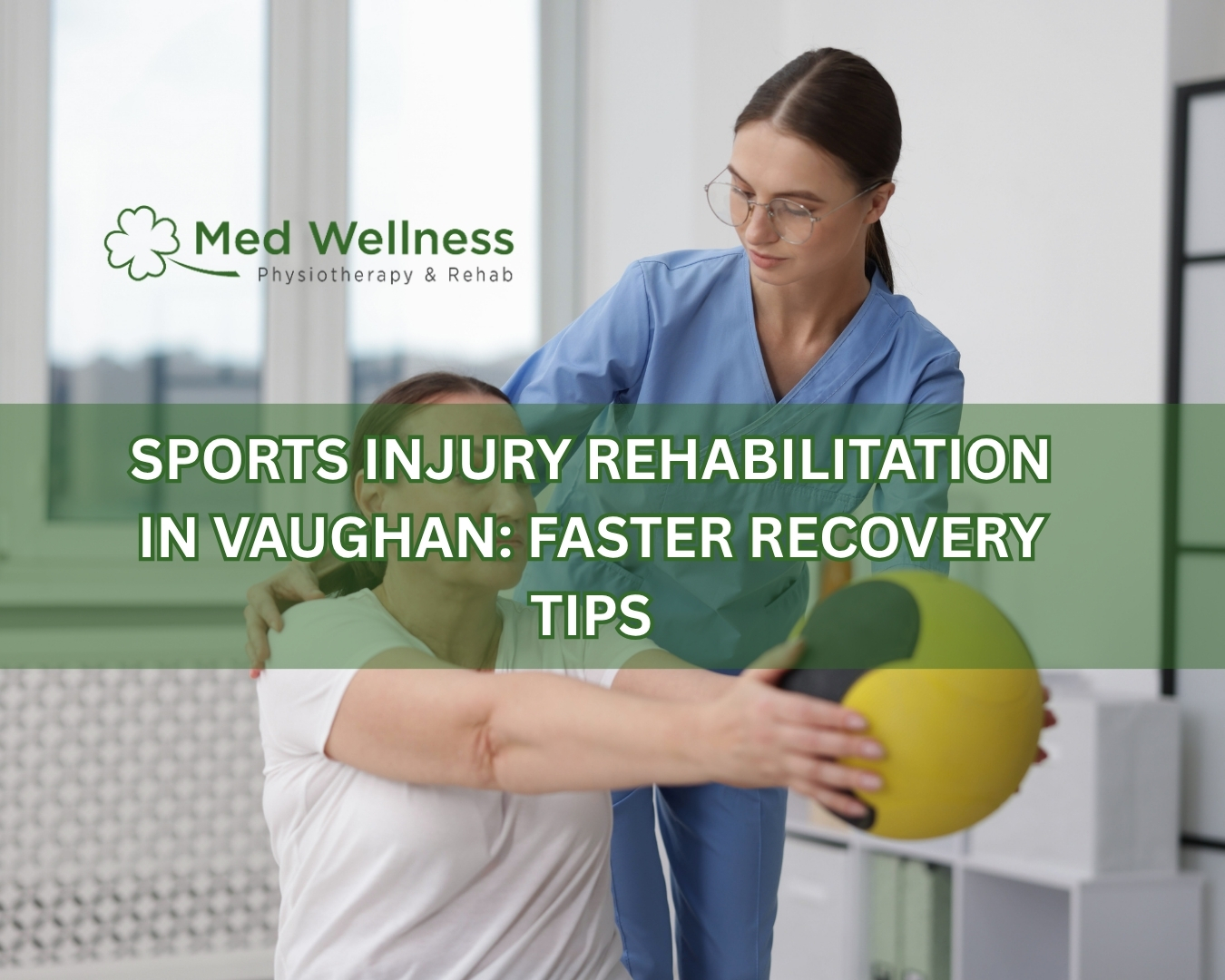
Active rehabilitation may include:
Physiotherapy is one of the most effective non-surgical treatments for sports injuries.
A physiotherapist evaluates:
Treatment programs are customized according to:
Physiotherapy helps reduce pain while restoring proper movement patterns and physical function.
Sports injuries often create stiffness and movement limitations.
Stretching exercises may help:
Important areas often include:
Mobility training is especially important during recovery because restricted movement may increase compensation injuries.
Weak muscles increase stress on joints and connective tissues during sports activities.
Strengthening exercises may help:
Sports rehabilitation commonly focuses on:
Research shows that progressive strengthening is important for reducing reinjury risk.
Athletes recovering from ankle sprains, knee injuries, or lower limb instability often benefit significantly from balance training.
Every sport places different demands on the body.
Sports rehabilitation programs may include:
This helps athletes safely transition back into training and competition.
Recovery is not only about treatment sessions.
Experts recommend:
Sports medicine specialists note that sleep and hydration play important roles in tissue healing and muscle recovery.
Some chronic sports injuries involve tendon irritation and incomplete tissue healing.
Shockwave therapy may help:
Shockwave therapy is commonly used for:
This non-invasive treatment is often combined with physiotherapy exercises for improved recovery.
Athletes commonly use massage therapy to support:
Massage therapy may help reduce muscular tension caused by repetitive training and physical stress.
Massage therapy is frequently integrated into sports rehabilitation programs.
Athletes with neck pain, lower back stiffness, or mobility restrictions may benefit from spinal therapy.
Benefits may include:
Movement correction is important because poor biomechanics may contribute to recurring injuries.
Sports injuries also affect athletes mentally and emotionally.
Research suggests that confidence-building and gradual return-to-sport progression help improve recovery outcomes.
Athletes often benefit from:
One of the biggest mistakes athletes make is returning to sports before the body is fully prepared.
Experts consistently warn that rushing recovery may increase reinjury risk and prolong long-term problems.
Gradual progression and structured rehabilitation help athletes return safely and confidently.
You should seek professional treatment if:
Early rehabilitation often improves recovery speed and long-term outcomes.
Several clinics in Vaughan and Woodbridge provide sports physiotherapy and rehabilitation services, including:
These clinics provide sports rehabilitation, physiotherapy, mobility therapy, injury prevention programs, and chronic pain management services throughout Vaughan and Woodbridge.
Athletes throughout Vaughan and Woodbridge trust Med Wellness Physiotherapy and Rehab Centre for personalized sports rehabilitation and injury recovery programs.
Services include:
Treatment programs are designed to improve mobility, reduce pain, support faster recovery, and help athletes return safely to activity naturally.
📍 110 Ansley Grove Rd, Woodbridge, ON L4L 3R1, Canada
📞 +1 905-605-8889
📧 medwellnesscentre@gmail.com
Sports injuries can significantly affect athletic performance, mobility, confidence, and overall quality of life. Proper rehabilitation is essential for reducing pain, restoring movement, rebuilding strength, and preventing recurring injuries.
If you are searching for sports injury rehabilitation in Vaughan or Woodbridge, personalized physiotherapy and professional rehabilitation may help improve recovery speed, reduce injury risk, and support long-term athletic performance naturally.